Medical Guide · Updated April 2026 · 7 min read
Tonsil Stones — Safe Removal, Prevention & The Probiotic Fix
Tonsil stones (tonsilloliths) affect approximately 10% of adults — a massive underdiagnosed cause of chronic bad breath. Most dentists won't even look for them. This guide covers how to identify them, safe removal methods (and dangerous ones that cause bleeding), and the evidence-based prevention protocol that prevents recurrence.

Disclosure: We may earn a commission when you purchase through our links, at no extra cost to you. Our recommendations are based on independent testing and research. Full disclosure.
The short answer
Tonsil stones are calcified debris in tonsil crypts — mostly harmless but a leading cause of chronic bad breath. Safe removal: salt water gargle + water flosser on low. Prevention: daily salt water gargle + tongue scraping + oral probiotic with S. salivarius K12 (ProvaDent). For severe recurrent cases affecting quality of life, tonsillectomy may be considered.
- ⚪ Appearance: white/yellow lumps at back of throat
- 🧂 Safe removal: salt water gargle, water flosser LOW
- ❌ Avoid: hard objects, fingernails, sharp tools (cause bleeding)
- 🧪 Best prevention: S. salivarius K12 oral probiotic
- ⏱ Prevention timeline: 4-8 weeks to significantly reduce formation
The probiotic that targets tonsil stone bacteria
ProvaDent contains S. salivarius K12 — the probiotic strain that specifically colonizes the throat and tonsil crypts. Research shows K12 colonization competitively displaces the anaerobic bacteria responsible for tonsil stone formation and associated bad breath.
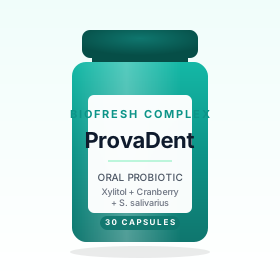
ProvaDent
ProvaDent
Pros
- S. salivarius K12 — published research for throat colonization
- Targets the bacteria that form tonsil stones
- 60-day money-back guarantee
- 92,000+ user reviews
- Also reduces general halitosis
Cons
- Official site only
- Results take 4-8 weeks
- Not sold on Amazon
What tonsil stones actually are
Your tonsils have natural small pockets called crypts on their surface. Food debris, dead cells, bacteria, and mucus collect in these crypts. Over time, minerals (mostly calcium) deposit on this organic matter, forming calcified "stones." When dislodged and crushed, they release a characteristic foul smell — the result of anaerobic bacterial metabolism producing volatile sulfur compounds.
Not a disease — more of an anatomical variant. People with enlarged tonsils or deep crypts are predisposed.
Symptoms
- Persistent bad breath (most common complaint) — especially resistant to brushing/mouthwash
- Visible white/yellow lumps at back of throat (look in mirror with flashlight, say "ahh")
- Foul taste in back of mouth
- Sore throat sensation on one side
- Difficulty swallowing (with larger stones)
- Referred ear pain — tonsils and ears share nerve supply
- Tonsil swelling when stones are large or infected
- Coughing up small white balls — common, often without warning
Safe removal methods
Tonsil stone removal — safe vs dangerous
| Ingredient | Dose | Role | Evidence |
|---|---|---|---|
| Salt water gargle | ½ tsp in 8oz, 30 sec, 3-4×/day | Safely dislodges small stones; loosens larger ones | ✅ SAFEST |
| Water flosser on LOW | Setting 1-3 only, directed at tonsils | Waterpik Aquarius on low pressure. Can dislodge deeper stones. | ✅ SAFE with caution |
| Cotton swab gentle pressure | Visible stones only | Wet cotton swab, gentle pressure at base of stone. Do not dig. | ⚠️ Moderate — for visible only |
| Oxygenating mouthwash | Therabreath or similar | Reduces the anaerobic bacteria that form stones | ✅ Adjunct |
| Fingernails | DO NOT | Causes tonsil tissue tears, bleeding, infection risk | ❌ AVOID |
| Toothpicks / sharp tools | DO NOT | Puncture risk — tonsils are highly vascular | ❌ AVOID |
| Water flosser on HIGH | DO NOT | Can cause bleeding and gag reflex. Always start low. | ❌ AVOID initially |
| Curettes / tonsil extractors | Only dentist/ENT | Can be safe with professional training. Not for DIY. | Professional only |
Evidence-based prevention protocol
- Daily salt water gargle — ½ tsp salt in 8oz warm water, 30 sec, 2-3×/day. Prevents mineral buildup and dislodges small deposits before they grow.
- Daily tongue scraping — reduces the anaerobic bacterial load that feeds tonsil stone formation.
- Oral probiotic with S. salivarius K12 — ProvaDent, BURST Oral Probiotics, or Life Extension Florassist. Colonizes tonsils and competitively displaces pathogens.
- Adequate hydration — 8+ glasses water daily. Saliva is the natural throat cleanser.
- Reduce dairy/high-mucus foods if you're prone — dairy increases mucus that feeds stones.
- Address post-nasal drip — saline nasal rinse if you have chronic sinusitis.
- Quit smoking — major risk factor for chronic tonsil inflammation.
- Regular tongue and throat inspection (weekly) — catch small stones before they grow.
When to see an ENT
- Stones persist despite prevention protocol for 3+ months
- Stones are larger than 1cm
- Difficulty swallowing or breathing
- Recurring tonsillitis (3+ episodes/year)
- Quality of life significantly affected
- Bad breath persists even after stone removal
- Visible asymmetry in tonsils or neck
FAQ
What are tonsil stones?
Tonsil stones (tonsilloliths) are calcified deposits that form in the crypts (small pockets) of your tonsils. They consist of bacteria, food debris, dead cells, and mineral deposits. Appearance: white, yellow, or gray lumps, typically 1-10mm, visible at the back of the throat. They are hard, smell foul when removed, and are a common but often undiagnosed cause of chronic bad breath.
How do I get rid of tonsil stones at home?
Safe removal methods: (1) gargle with salt water (½ tsp in 8oz) 3-4× daily — often dislodges small stones, (2) water flosser on LOW setting directed at tonsils (Waterpik on setting 1-3 only), (3) cotton swab gentle pressure to dislodge visible stones, (4) oxygenating mouthwash (Therabreath). Do NOT use hard objects, sharp tools, or fingernails — causes tonsil tissue damage and bleeding. If stones persist, see ENT.
Why do I keep getting tonsil stones?
Recurring tonsil stones indicate: (1) enlarged tonsils with deep crypts, (2) chronic sinus drainage/post-nasal drip feeding the crypts, (3) dehydration reducing saliva flow, (4) poor oral hygiene allowing bacterial overgrowth, (5) certain foods (dairy, high-protein diets), (6) smoking. Prevention: daily salt water gargle + tongue scraping + oral probiotic with S. salivarius K12 (competitively displaces the anaerobic bacteria that form stones).
Are tonsil stones dangerous?
Generally not dangerous but unpleasant. Complications are rare but include: persistent bad breath (most common complaint), throat irritation, difficulty swallowing if stones are large, occasional ear pain (referred pain from tonsils). Very rarely, large recurring stones require tonsillectomy. See a doctor if: stones are >1cm, causing significant swallowing difficulty, or accompanied by recurring tonsillitis.
Does tonsillectomy cure tonsil stones?
Yes — permanent removal of tonsils eliminates the crypts where stones form. However, tonsillectomy is considered only for severe cases (large, painful, recurrent stones affecting quality of life) because adult tonsillectomy has: significant recovery (2-3 weeks), higher complication rates than pediatric, and requires general anesthesia. Most tonsil stone sufferers manage well with the home care protocol + oral probiotics.
Can oral probiotics help tonsil stones?
Yes, some evidence supports this. Streptococcus salivarius K12 specifically colonizes the throat and tonsil regions, competitively displacing the anaerobic bacteria that form tonsil stones. A 2016 study showed daily S. salivarius supplementation reduced tonsil stone formation. Products like ProvaDent (contains S. salivarius) or BURST Oral Probiotics (specific for BLIS K12) are evidence-backed options.
Prevent tonsil stones at the bacterial source
ProvaDent's S. salivarius K12 is the probiotic strain researched specifically for tonsillar and throat bacterial balance.
Check ProvaDent pricing →