Buyer's Guide · Updated April 2026 · 10 min read
Best Mouthwash (2026) — 8 Evidence-Based Picks by Use Case
There is no single "best mouthwash" — only the best mouthwash for your specific problem. Bad breath requires a completely different active ingredient than gingivitis. Cavity prevention needs fluoride. Dry mouth needs enzymes. We ranked the 8 best mouthwashes by clinical evidence, separated by use case, with real-world testing results to match each formula to the right user.

Disclosure: We may earn a commission when you purchase through our links, at no extra cost to you. Our recommendations are based on independent testing and research. Full disclosure.
Quick picks by use case
- 👄 Chronic bad breath: TheraBreath Fresh Breath (OXYD-8)
- 🦷 Gingivitis / plaque: Listerine Cool Mint (ADA-accepted)
- 🚫 Alcohol-free daily: Listerine Zero Alcohol Total Care
- 🕳️ Cavity prevention: ACT Total Care Fluoride
- 🔕 Sensitive mouth: CloSYS Ultra Sensitive (pH-neutral)
- 💧 Dry mouth: Biotène Oral Rinse (enzymes)
- 🎯 All-in-one: Crest Pro-Health Advanced
The 8 best mouthwashes ranked
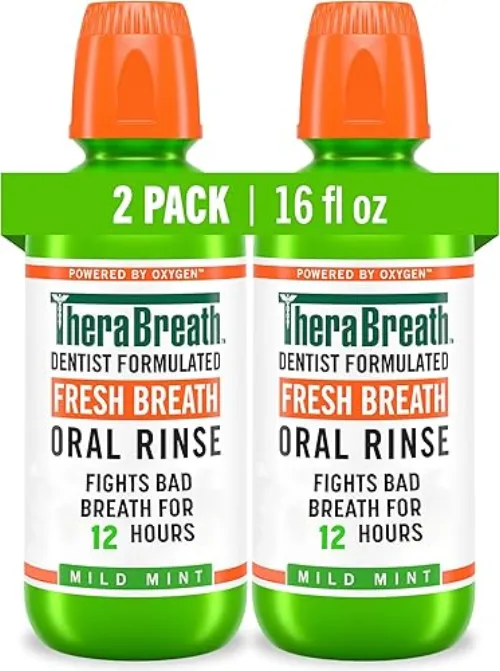
Best Overall for Halitosis · ⭐ 4.7/5
TheraBreath Fresh Breath Oral Rinse
Mechanism: OXYD-8 (stabilized chlorine dioxide) · Price: $14.99
The only major mouthwash specifically built to neutralize VSC molecules (the actual cause of bad breath). Alcohol-free. 7-14 day protocol for chronic halitosis. Dentist-developed.
Check Amazon price →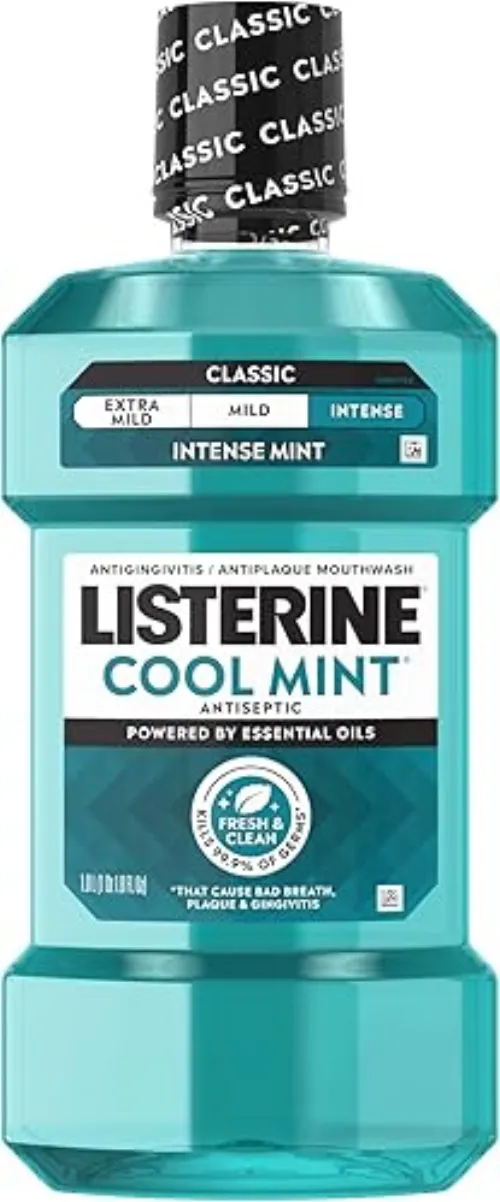
Best ADA-Accepted Antibacterial · ⭐ 4.8/5
Listerine Cool Mint
Mechanism: Essential oils + 21.6% alcohol · Price: $6.99
Gold standard for gum disease prevention. 30+ years of clinical research. ADA-accepted. Kills bacteria broadly via thymol, eucalyptol, menthol, methyl salicylate.
Check Amazon price →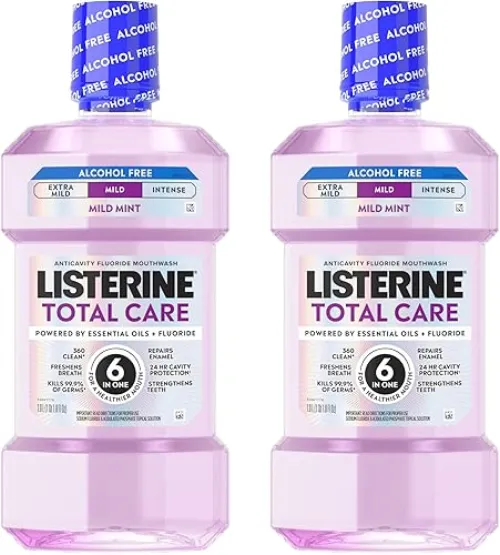
Best for Daily Protection · ⭐ 4.7/5
Listerine Total Care Zero Alcohol
Mechanism: Essential oils (no alcohol) · Price: $8.99
Same essential oil formula without the burn or dry-mouth effect. Best daily mouthwash for most users — gingivitis prevention without tissue irritation.
Check Amazon price →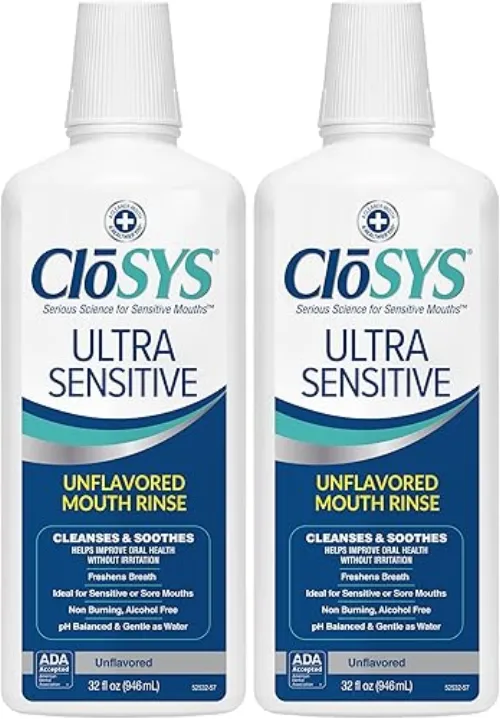
Best for Sensitivity · ⭐ 4.7/5
CloSYS Ultra Sensitive
Mechanism: Chlorine dioxide (pH-neutral) · Price: $13.49
Dentist-preferred for sensitive tissues. No alcohol, no flavoring, no dye. pH 6.5 (won't erode enamel). Use optional flavor-add packets.
Check Amazon price →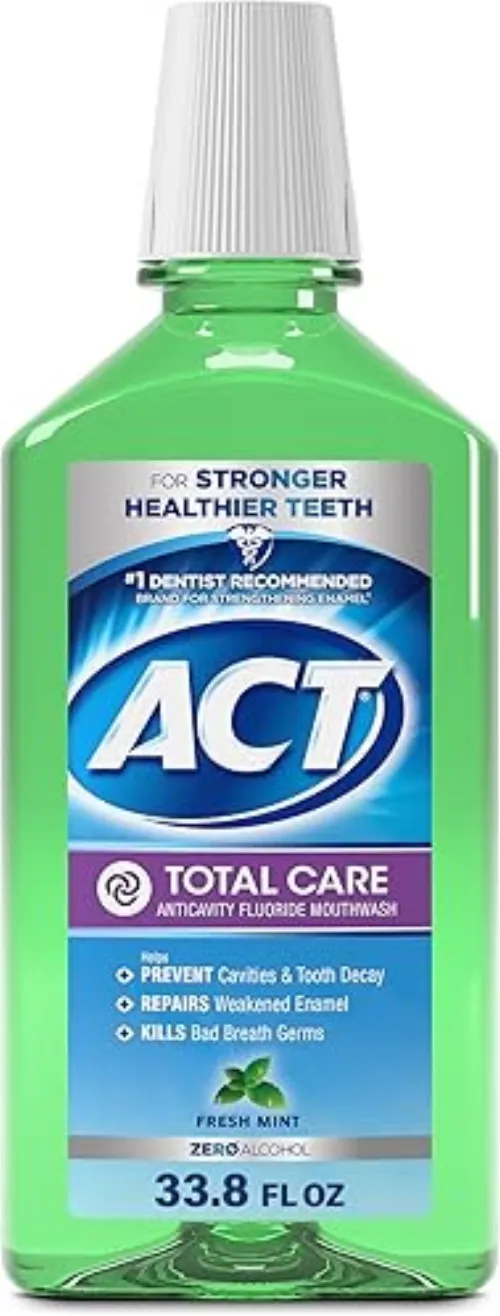
Best for Cavities · ⭐ 4.8/5
ACT Total Care Fluoride Mouthwash
Mechanism: 0.05% sodium fluoride · Price: $8.49
ADA-accepted for cavity prevention. Remineralizes enamel, strengthens against acid attacks. Use nightly after brushing — do not rinse.
Check Amazon price →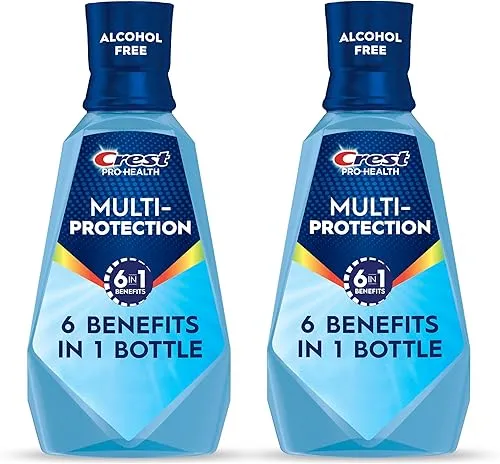
Best Multi-Benefit · ⭐ 4.7/5
Crest Pro-Health Advanced Mouthwash
Mechanism: Cetylpyridinium chloride (CPC) + fluoride · Price: $7.99
Combines gingivitis prevention + cavity protection + breath + enamel strengthening in one bottle. Alcohol-free. Best "single bottle does everything" pick.
Check Amazon price →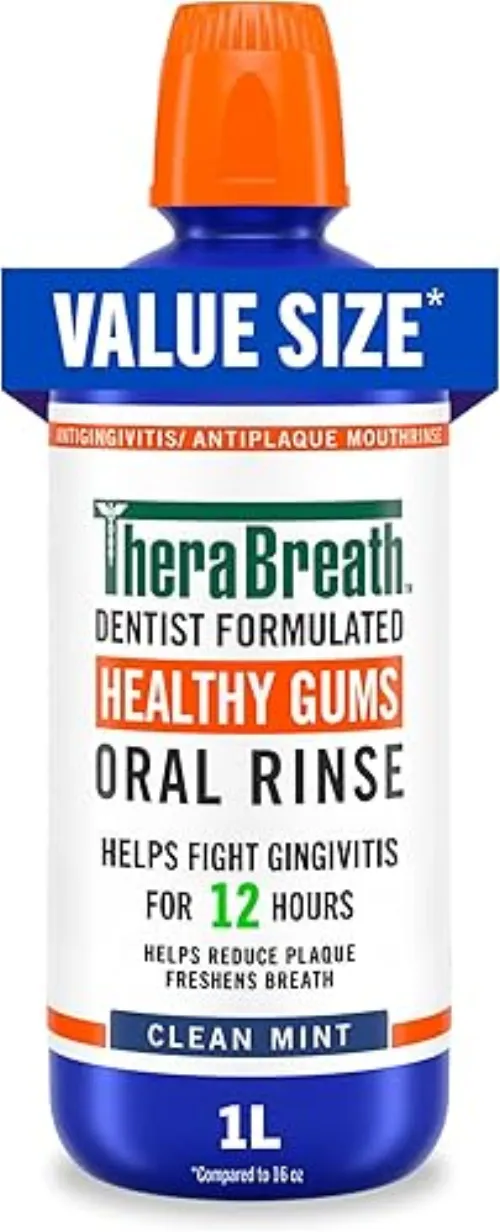
Best Dual-Purpose · ⭐ 4.6/5
TheraBreath Healthy Gums Mouthwash
Mechanism: OXYD-8 + CPC · Price: $16.99
Combines TheraBreath's bad-breath mechanism with CPC for gum disease. Best for users with both halitosis AND gingivitis.
Check Amazon price →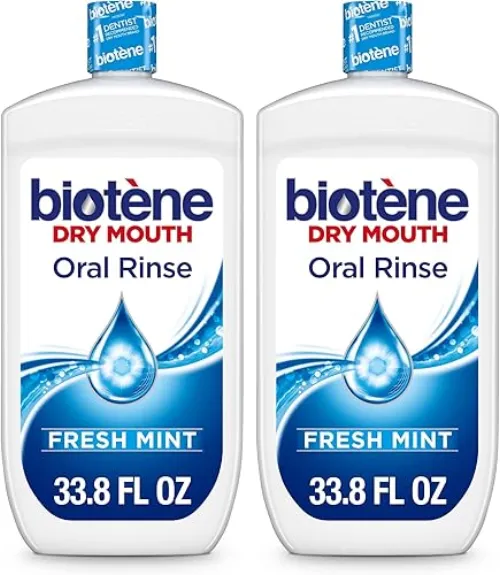
Best for Xerostomia · ⭐ 4.7/5
Biotène Oral Rinse (Dry Mouth)
Mechanism: Lactoperoxidase + lysozyme enzymes · Price: $12.99
Stimulates natural saliva production. Dentist-recommended for medication-induced dry mouth, CPAP users, post-radiation patients. Alcohol-free and pH-neutral.
Check Amazon price →Active ingredients explained
Mouthwash actives — what each does
| Ingredient | Dose | Role | Evidence |
|---|---|---|---|
| Cetylpyridinium chloride (CPC) | 0.05-0.07% | Broad antibacterial — kills plaque bacteria on contact. Alcohol-free antibacterial. | ✅ ADA-accepted (Crest Pro-Health, TheraBreath Healthy Gums) |
| Essential oils (thymol, eucalyptol, menthol, methyl salicylate) | Listerine formula | Antibacterial + anti-inflammatory. Strongest evidence for gingivitis reduction. | ✅ ADA-accepted for gingivitis |
| Chlorhexidine gluconate (CHX) | 0.12% (prescription only) | Most potent antibacterial — short-term post-surgery use. Causes tooth staining. | ✅ Strong — but prescription + short-term only |
| Stabilized chlorine dioxide (OXYD-8) | TheraBreath formula | Oxygenates and neutralizes volatile sulfur compounds that cause bad breath. | ✅ Supported by published halitosis research |
| Sodium fluoride (NaF) | 0.05% (OTC) | Remineralizes enamel, prevents cavities. Essential for cavity-prone users. | ✅ ADA-accepted for cavity prevention |
| Stannous fluoride (SnF2) | 0.454% (in some) | Cavity prevention + antibacterial + sensitivity reduction triple action | ✅ ADA-accepted multi-action |
| Hydrogen peroxide (1.5%) | Some whitening rinses | Mild whitening + antibacterial. Can irritate tissues with overuse. | ⚠️ Use 2-3×/week max |
| Alcohol (ethanol, 21-27%) | Original Listerine | Solvent + mild antibacterial. Causes burn, dry mouth, tissue irritation. | ⚠️ Not required for efficacy |
| Enzymes (lactoperoxidase, lysozyme) | Biotène formula | Stimulates natural saliva, mimics enzyme-based immune defense | ✅ For dry mouth only |
Match the mouthwash to your situation
👄 Chronic bad breath
Best: TheraBreath Fresh Breath. Why: OXYD-8 is the only OTC mechanism that specifically neutralizes VSC molecules causing halitosis. Mint-flavored rinses just mask the odor.
Protocol: Twice daily, 30 sec swish + 10 sec gargle. 14-day commitment for chronic cases.
Pair with: Tongue scraping + ProvaDent probiotic for root-cause fix.
🩸 Bleeding gums / gingivitis
Best: Listerine Cool Mint or Zero Alcohol. Why: ADA-accepted antibacterial. 30+ years of clinical data on plaque reduction and gingival bleeding reduction.
Protocol: Twice daily, 30 sec swish, after brushing. Alcohol-free variant if sensitive.
Pair with: Water flosser + soft-bristle electric brush.
🕳️ Cavity prevention
Best: ACT Total Care (sodium fluoride). Why: 0.05% NaF remineralizes enamel. Essential for users with: dry mouth, exposed root surfaces, high caries risk, orthodontic appliances.
Protocol: Nightly after brushing. Swish 1 min. Spit. Do NOT rinse with water.
Pair with: Fluoride toothpaste + Pronamel if sensitive.
💧 Dry mouth (xerostomia)
Best: Biotène Oral Rinse. Why: Contains lactoperoxidase + lysozyme enzymes that stimulate saliva and mimic natural immune defense proteins.
Protocol: 2-4 times daily as needed. Safe for long-term use.
Pair with: Biotène oral spray during day, fluoride rinse at night.
😰 Sensitive mouth / oral ulcers
Best: CloSYS Ultra Sensitive. Why: pH-neutral (6.5), no alcohol, no flavoring, no dye. Dentist-preferred for post-surgical recovery and canker sore sufferers.
Protocol: Twice daily. Add optional mint/citrus flavor packets if flavorless feels strange.
⚙️ Orthodontics (braces, aligners)
Best: ACT Fluoride + Listerine Zero alternating. Why: Fluoride protects against white-spot lesions common with braces. Essential oils control plaque that forms around brackets.
Protocol: ACT nightly. Listerine after lunch if possible.
What to avoid
- Original (alcohol) Listerine if you have dry mouth — alcohol worsens xerostomia and paradoxically increases bad breath.
- Whitening mouthwashes for sensitive teeth — peroxide + sensitivity is a bad combination. Use sensitivity toothpaste first, then add whitening selectively.
- Chlorhexidine (Peridex) without prescription — effective but causes reversible tooth staining. Post-surgical short-term use only.
- Rinsing with water after mouthwash — defeats the purpose. Spit the mouthwash out, then stop.
- Using multiple mouthwashes at the same time — different actives can neutralize each other. Separate by 30+ minutes.
- Relying on mouthwash to fix poor hygiene — mouthwash complements brushing/flossing/tongue scraping. It cannot replace them.
How to use mouthwash correctly
- Brush and floss first — mouthwash works best on clean surfaces.
- Use 20ml (4 teaspoons) undiluted. Don\'t add water — dilutes active ingredient.
- Swish 30 seconds minimum — ensure full coverage of all teeth and gums.
- Gargle the last 10 seconds — treats back of tongue and throat where many bacteria live.
- Spit, don\'t rinse — let active ingredients stay in contact.
- Wait 30+ min before eating or drinking — preserves contact time.
- Different timing for different rinses — fluoride at night (longest contact time), antibacterial morning, bad breath after meals.
- Twice daily minimum — consistency beats intensity for all mouthwash categories.
Frequently asked questions
What is the best mouthwash for bad breath?
TheraBreath Fresh Breath Oral Rinse is the evidence-based best choice for chronic bad breath. Its OXYD-8 (stabilized chlorine dioxide) formula specifically neutralizes volatile sulfur compounds — the actual molecules that cause halitosis. Unlike Listerine and most mint mouthwashes that mask odor, TheraBreath addresses the chemical cause. Requires 7-14 days of twice-daily use for chronic halitosis resolution.
What is the best mouthwash for gingivitis?
Listerine Total Care (original or Zero Alcohol) is the ADA-accepted gold standard for gingivitis prevention. 30+ years of clinical research confirm the essential oil formula reduces plaque and gingival bleeding. For alcohol-sensitive users, Listerine Zero Alcohol delivers the same anti-gingivitis benefit without burn. Use twice daily after brushing for 30 seconds.
Should I use an alcohol-free mouthwash?
Yes for most users. Alcohol-based mouthwashes (like original Listerine) can cause burning, dry mouth, and paradoxically worsen bad breath over time. Alcohol-free options — Listerine Zero, CloSYS, TheraBreath, Crest Pro-Health — deliver equivalent antibacterial benefits without these drawbacks. Alcohol is not required for efficacy.
What is the best mouthwash for cavity prevention?
ACT Total Care with 0.05% sodium fluoride is the evidence-based choice for cavity prevention. ADA-accepted. Use nightly after brushing — swish 1 minute, spit, DO NOT rinse with water. The fluoride bathes enamel overnight, promoting remineralization. Especially important for users with dry mouth, high caries risk, or receding gums exposing dentin.
Can I use mouthwash every day?
Yes — most modern mouthwashes are designed for indefinite daily use. Alcohol-free formulations are particularly safe for long-term daily use. The exception: chlorhexidine prescription rinses (Peridex) should only be used short-term due to staining. Over-the-counter mouthwashes like Listerine, TheraBreath, ACT, Crest Pro-Health are all safe for daily use indefinitely.
When should I use mouthwash — before or after brushing?
Depends on the mouthwash. Fluoride rinses (ACT): use AFTER brushing and spitting. Antibacterial rinses (Listerine): use after brushing, 20-30 min later to let fluoride absorb. Bad breath rinses (TheraBreath): separate from brushing — wait 30 min after brushing, as toothpaste detergents can neutralize OXYD-8. Never rinse with water after mouthwash.
Is mouthwash necessary or is brushing and flossing enough?
For healthy mouths, brushing twice daily + flossing + tongue scraping is 90% of oral hygiene. Mouthwash is optional but beneficial for specific conditions: gingivitis (add antibacterial), chronic bad breath (add oxygenating), dry mouth (add enzymatic), or high caries risk (add fluoride). If you have any of these, mouthwash adds meaningful benefit. If not, it's a helpful complement but not critical.
Pick the right mouthwash for YOUR problem
Bad breath ≠ gingivitis ≠ cavities. Match the mechanism to your need.
Shop TheraBreath on Amazon →